Tuning Into Saigon: How the City's Underground Music Scene Became Its Loudest History Lesson
Tuning Into Saigon: How the City's Underground Music Scene Became Its Loudest History Lesson
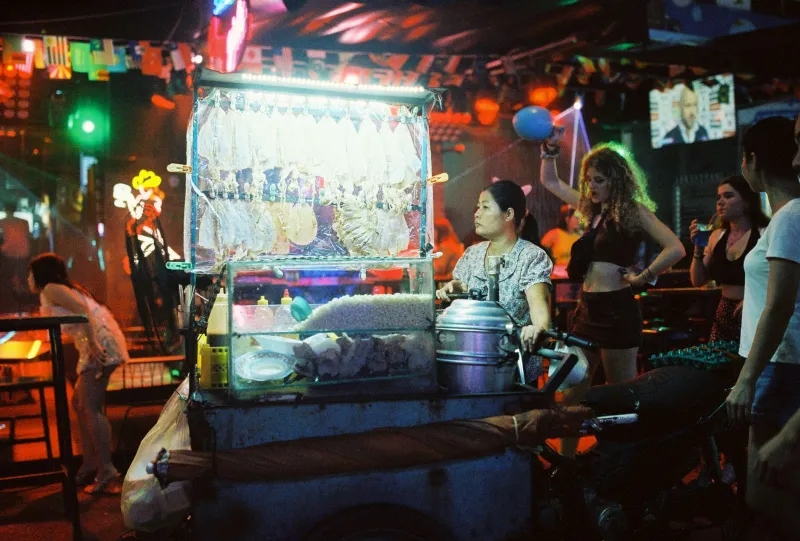
Saigon doesn't announce itself quietly. The city hits you first with noise — horns, engines, the crack of a plastic stool hitting wet pavement at 6 a.m. But underneath all that surface-level chaos, there's a musical current running through this place that most American visitors never find. That's a shame, because what's happening in Saigon's live music venues right now is one of the more genuinely surprising cultural experiences you can have in Southeast Asia.
This isn't about tourist-facing cover bands hammering out "Hotel California" for a dining room full of backpackers. This is something weirder, more personal, and a lot more interesting.
The Sound Has Roots You Can Actually Hear
To understand why Saigon's music scene hits differently, you need a little context. Vietnam spent decades absorbing outside influences — French colonial culture brought Western instrumentation and a taste for café-style performance; the American military presence in the 1960s flooded the south with rock, soul, and country. Meanwhile, traditional Vietnamese musical forms like nhạc dân tộc (folk music) and cải lương (reformed opera) never went away — they just went underground or got quietly absorbed into whatever came next.
The result, fifty-plus years later, is a generation of Vietnamese musicians who grew up with all of it. They're not choosing between their grandmother's music and Western genres. They're combining them in ways that feel completely natural to them and completely new to outside ears.
You'll hear a guitarist slide between a blues riff and something that sounds lifted from a centuries-old court melody. You'll catch a jazz vocalist phrasing a Vietnamese lyric with the kind of blue-note delivery that makes you do a double-take. It's disorienting in the best possible way.
Where to Actually Find It
The Saigon music scene rewards people who do a little homework. Most of the best stuff isn't on the main tourist drag.
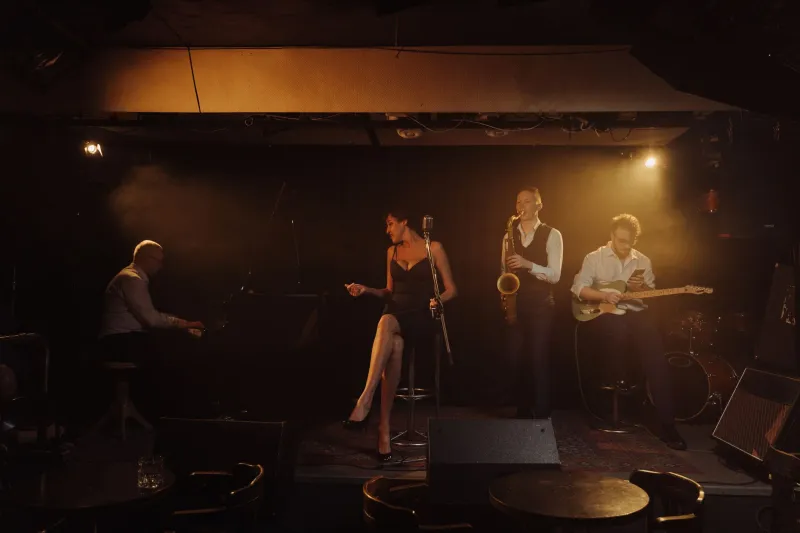
The Acoustic in District 3 is probably the most beloved live music bar in the city among locals who take music seriously. It's been running for years, it's small enough that you're basically sitting inside the performance, and the lineup skews toward singer-songwriters doing original Vietnamese work. The vibe is relaxed — cold beer, low lighting, serious listening. Go on a weeknight if you want to avoid the weekend crush.
 Photo: The Acoustic, via gadgetgang.com
Yoko Café, also in District 3, leans more experimental. The crowd is younger, the genres are harder to pin down, and the room has a kind of scrappy creative energy that reminds you this city is full of people in their twenties who have a lot to say and are still figuring out how to say it. That tension makes for interesting shows.
For something completely different, keep an eye out for pop-up rooftop sets in District 1 and the increasingly active arts corridor developing around District 4. These aren't permanent venues — they're announced through Instagram, through word of mouth, through the guy at your guesthouse who actually knows things. They're worth chasing.
Artists Worth Knowing Before You Go
A few names to search before your trip:
Đen Vâu isn't underground anymore — he's Vietnam's most respected rapper, full stop — but his music is a good entry point because his lyrics are so rooted in everyday Saigon life. Even through a translation, the specificity of what he's describing is striking.
 Photo: Đen Vâu, via www.chemanalyst.com
On the more experimental end, keep an eye on the work coming out of the Goethe-Institut and L'Espace (the French cultural center in Hanoi, with programming that regularly makes it south). Both institutions have been quietly funding cross-cultural collaborations that push Vietnamese artists into genuinely new territory.
Locally, ask around about whoever is currently playing residencies at The Acoustic. The lineup rotates, but the quality standard is consistent, and you're likely to catch someone doing something memorable.
Why This Matters More Than Another Temple Visit
Here's the thing about music: it carries emotional content that plaques and exhibits can't quite replicate. When a Vietnamese musician in her thirties plays a song that threads her grandmother's wartime memories through a jazz structure she learned from an American album her father kept hidden during the 1980s — that's not just entertainment. That's a compressed history of this country's last century, delivered in real time.
Saigon has extraordinary museums. The War Remnants Museum is essential, full stop. But museums, by design, frame the past at a distance. Live music collapses that distance. You're in the room. The story is happening right now.
American visitors in particular tend to arrive in Saigon carrying a specific set of associations — shaped by films, by family stories, by whatever version of history they absorbed in school. The music scene is one of the fastest ways to update that picture. Vietnamese artists aren't processing the past the way Hollywood processed it. Their relationship to history is more complicated, more textured, and frankly more interesting than the version most of us grew up with.
A Few Practical Notes
Cover charges are rare and usually minimal when they exist — think a few dollars, not a New York cover situation. Drinks are cheap. The etiquette at most venues leans toward genuine listening rather than background noise, so take the room's temperature before you start talking loudly over the set.
Translation apps have gotten good enough that even if you don't speak Vietnamese, you can get a rough sense of what a song is about. Worth doing. The lyrics often add a layer that makes the music land harder.
Most importantly: don't plan too rigidly. The best music experiences in Saigon tend to be the ones you stumble into. Leave a night or two genuinely open, follow a recommendation, and see where it goes. That's pretty much the operating principle for this city in general.