They Came Back and Never Left: The Americans Who Made Saigon Home
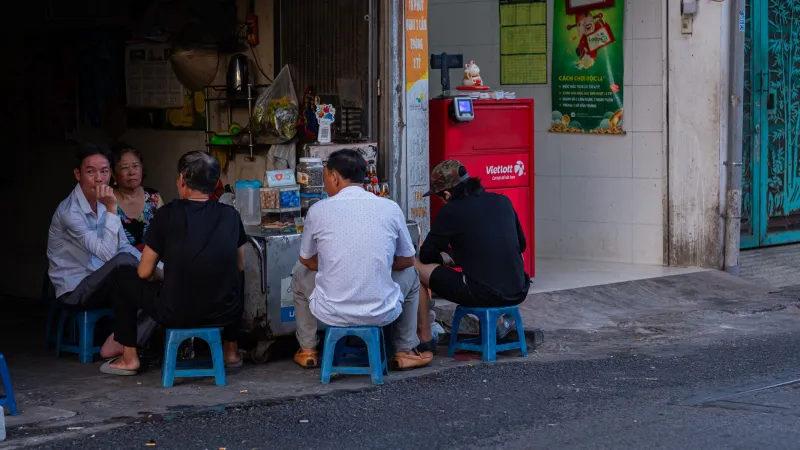
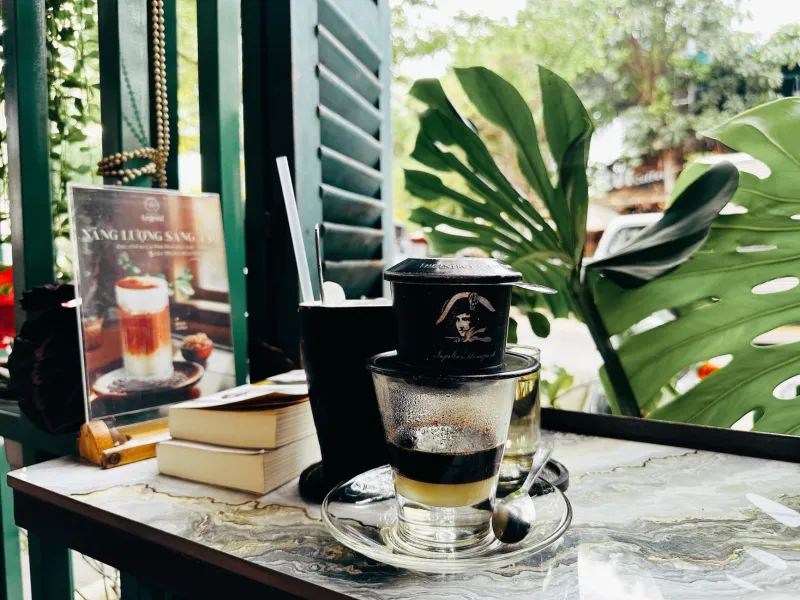
There's a corner café in District 1 where an American named Gary has been drinking his morning coffee for going on eighteen years. He's in his late sixties, originally from Ohio, and he came to Ho Chi Minh City on a two-week trip that just never ended. "I kept finding reasons to stay," he says, in the way people do when they know the real answer is harder to explain than that.
Gary is not unusual here. Saigon has a quietly substantial American expat community — not the loudest expat presence in the city (that title probably goes to Koreans or Taiwanese), but one of the most historically layered. These are people whose relationship with this place stretches back through decades of geopolitical weight, personal history, and in some cases, genuine grief. What drew them here varies wildly. What keeps them here tends to rhyme.
The Veterans Who Came Back
The most striking subset of American expats in Saigon are the veterans — men who served here during the war and, years or decades later, felt pulled back. Their reasons aren't uniform. Some came initially for closure and found something else entirely. Some came on veteran reconciliation tours and couldn't bring themselves to board the return flight. A few have been here long enough that their Vietnamese is better than their ability to navigate American healthcare paperwork.
What they consistently describe is a reception they didn't expect. "I thought there'd be more hostility," says one veteran who has lived in Saigon's District 3 for over a decade. "There wasn't. Vietnamese people, in my experience, are oriented toward the future in a way Americans aren't always. They don't want to re-litigate the war every time they meet you."
This is something researchers and journalists have noted before, but hearing it from someone who served and stayed gives it a different weight. The Vietnamese government's official posture toward the war is specific and politically managed. But ordinary Vietnamese people, particularly those born after 1975, often engage with American visitors — and American residents — with a directness and warmth that catches people off guard.
For veterans especially, that reception can be quietly transformative. Several have become involved in charitable work here — supporting education, working with organizations that address unexploded ordnance in rural areas, building relationships that look nothing like the ones they left behind fifty years ago.
The Accidental Expats
Not everyone's story carries that much historical weight. A significant chunk of Saigon's American expat community arrived through routes that are more mundane and, in their own way, just as revealing.
Teaching English is the classic entry point — someone graduates college, hears you can make a decent living in Southeast Asia, and ends up in Saigon for a year that becomes five. The city has a way of doing that. The cost of living is low enough that a modest income goes far. The food is extraordinary. The social scene, particularly among younger expats, is genuinely fun. And there's something about the energy of a city growing this fast — cranes on every skyline block, new restaurants opening weekly, a startup culture that's still early enough to feel like opportunity — that makes ambitious people want to stay in the room.
Entrepreneurs are another consistent thread. Saigon's business environment is complicated by regulatory realities that require local partnerships and careful navigation, but the market is real and growing. Americans who got in early on hospitality, food and beverage, or tech have built businesses that would have been much harder to start back home. Some of them talk about Vietnam the way American immigrants used to talk about America — as a place where starting over is genuinely possible.
What They'll Tell You If You Ask
Spend time with American expats in Saigon and certain themes keep surfacing.
First: the city changes you. Almost everyone says some version of this. The pace of life, the sensory intensity, the way Vietnamese culture handles community and family and public space — it rewires things. People who came from high-stress American cities describe a paradox: Saigon is objectively louder and more chaotic than most places they've lived, but they feel less anxious here. Something about the street-level human contact, the constant small social transactions of café culture and market life, fills something that was apparently running on empty back home.
Second: the relationship with America gets complicated. This isn't universal, but it's common. Living abroad long enough tends to defamiliarize your home country in ways that are uncomfortable and clarifying simultaneously. American expats in Saigon often describe watching U.S. news with a kind of detachment that surprises them. They still care — most of them vote absentee, maintain family connections, follow American culture — but the distance changes the perspective.
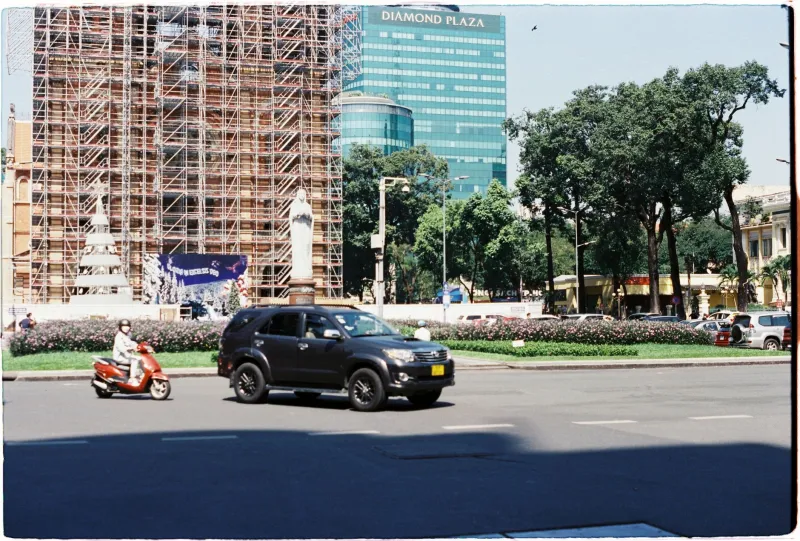
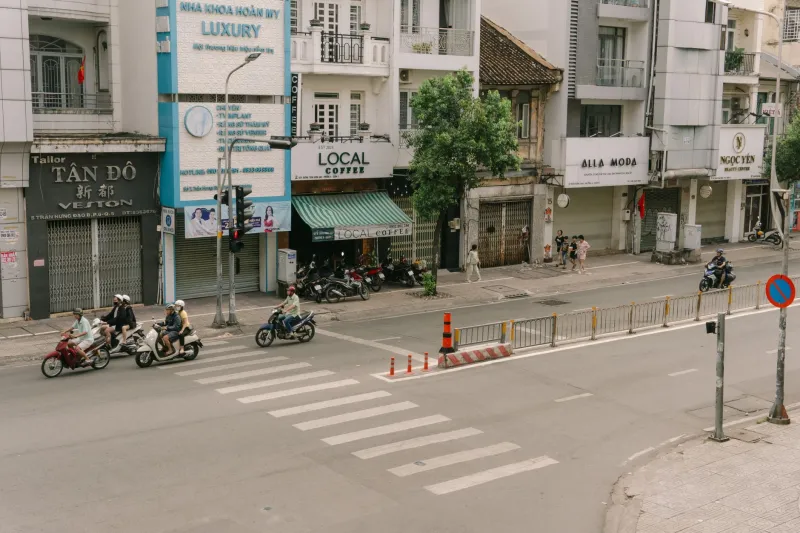
Third, and maybe most interesting for visitors to hear: this city is not what American media prepared them for. The version of Vietnam that exists in American cultural memory — shaped almost entirely by war films, war literature, war documentaries — bears only a partial relationship to the place these people actually live. Saigon in 2024 is a metropolis of nearly ten million people with a booming middle class, a sophisticated food culture, a young population that's deeply plugged into global trends, and an almost aggressive optimism about the future. The war is present here, yes — you can feel it in specific places, in certain conversations, in the landscape of the city itself. But it's not the organizing principle of daily life the way American narratives tend to suggest.
Why Their Stories Matter to You as a Visitor
If you're coming to Saigon for the first time, seek these people out. Not in a voyeuristic way — nobody wants to be someone else's cultural lesson — but in the way you'd seek out anyone who knows a place deeply. They eat at restaurants that don't have English menus. They know which neighborhoods are changing and which are holding. They have opinions about the best time of year to be here and the worst tourist mistakes to avoid.
More than that, their presence in this city is itself a kind of story about what's possible between countries that have been through what the U.S. and Vietnam have been through. The fact that Americans are here, building lives, forming friendships, raising kids in some cases, running businesses, drinking coffee on the same corner for eighteen years — that's not a small thing. It's evidence of something that doesn't always get said clearly enough: reconciliation, when it happens at the human level rather than the diplomatic one, tends to look a lot like this. Ordinary. Durable. Quietly remarkable.