A Month in Saigon Taught Me Everything American Tourists Get Wrong
I want to be upfront about something: I came to Saigon with baggage. Not the carry-on kind. The cultural kind — the slow accumulation of war movies, journalism retrospectives, and half-remembered history class units that shape how most Americans picture this city before they ever set foot in it. Apocalypse Now. The Fall of Saigon. Platoon. A general sense that Vietnam is a place defined by what happened to us there, rather than what has been happening here ever since.
That framing is not just incomplete. It is, I discovered over thirty days of living in District 3 and eating my way through every neighborhood I could find, almost comically wrong.
Here's what nobody told me before I got on the plane.
Misconception #1: Saigon Is Stuck in the Past
The version of Vietnam that lives in the American imagination is frozen somewhere around 1968. Rice paddies. Jungle. Tragedy.
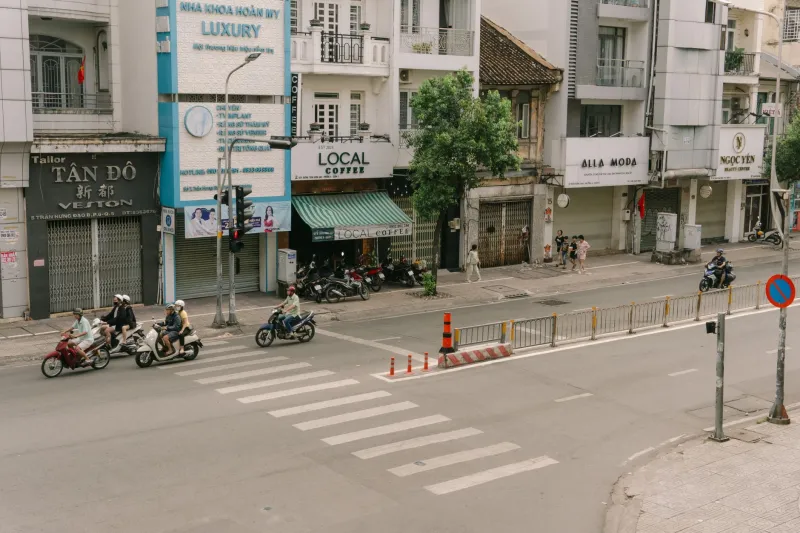
The actual Ho Chi Minh City in the present tense is one of the fastest-growing urban economies in Asia. The skyline changes faster than you can photograph it. The startup scene in District 2 would not look out of place in Austin. The coffee shops — and there are approximately ten thousand of them — are full of people in their twenties working on laptops, running businesses, studying for graduate school entrance exams.
 Photo: Ho Chi Minh City, via s1.cdn.autoevolution.com
The average age in Vietnam is around 30. The country's median age is younger than the United States'. The people you'll share a table with at a street food stall are more likely to be thinking about their next business move than dwelling on a war that ended before their parents were adults. Americans tend to arrive braced for heaviness. The city's actual energy is kinetic, ambitious, and often very funny.
Misconception #2: They Haven't Forgiven Us
This one is both the most common American anxiety and the most thoroughly disproven by actual experience.
I lost count of the number of times locals, upon learning I was American, responded with something ranging from friendly curiosity to genuine enthusiasm. Not because Vietnamese people have forgotten the war or minimized its devastation — they haven't, and they won't — but because the cultural relationship between individuals and national history is more nuanced here than American guilt tends to allow for.
What I noticed is that Saigonese people are remarkably skilled at separating the political from the personal. You, standing in front of them, are not the U.S. government. You are a person who traveled a long way to be in their city. That distinction matters to them in ways that feel almost radical coming from an American context, where we tend to take geopolitical baggage very personally in both directions.
The appropriate response to this generosity is not to perform guilt or to over-explain your country's foreign policy. It's to be present, be respectful, and — critically — actually engage rather than treating the city like an outdoor museum.
Misconception #3: The Traffic Will Kill You
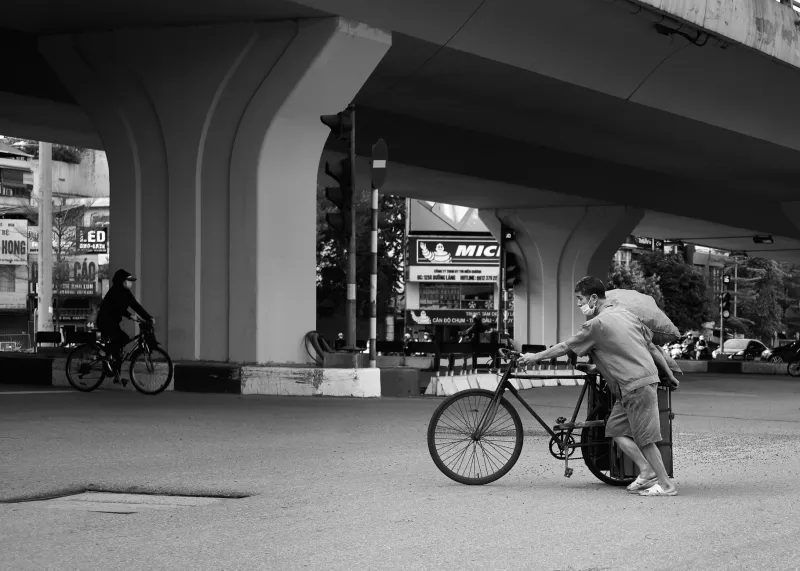
Okay, technically this one is understandable. The motorbike situation in Saigon is legitimately one of the most visually overwhelming things you will encounter if you've spent your life in American cities designed around cars. At a major intersection during rush hour, you are looking at thousands of motorbikes moving in patterns that appear, to the untrained eye, to be pure chaos.
Here's the secret: it's not chaos. It's a fluid, negotiated system with its own logic. Traffic here moves around you rather than at you. The key — and every long-term expat will tell you this — is to walk slowly and predictably. Don't stop suddenly. Don't sprint. Move at a steady pace and make eye contact with oncoming drivers. The flow will adjust.
I went from being completely paralyzed at crosswalks on day one to crossing six-lane intersections with something approaching confidence by week two. The traffic is not an obstacle. It's one of the first tests the city gives you, and passing it — even imperfectly — changes how you move through everything else.
Misconception #4: Street Food Is a Brave Choice
Americans are conditioned to treat street food in Southeast Asia as an adventurous risk — something you do for the story, ideally with travel insurance and a stomach of iron. This is an insult disguised as caution.
The street food in Saigon is not a gamble. It is the cuisine. The woman who has been making bún bò Huế from the same cart on the same corner for twenty years has more quality control in her operation than most mid-range American restaurant chains. Her reputation is her business. Her regulars are her livelihood. The idea that her food is somehow less safe than something served on a plate with a printed menu is a bias worth examining.
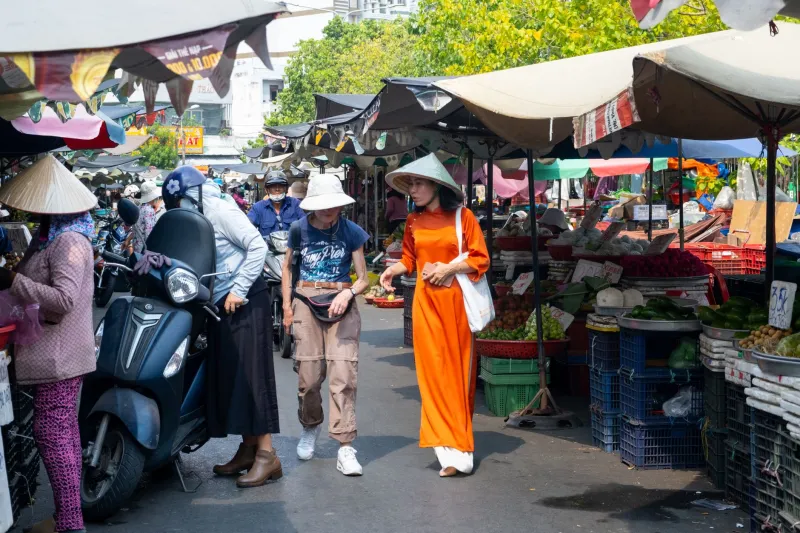
Eat the street food. Eat it early, when the ingredients are fresh. Eat where the locals are eating, not where the signs are in English. And for the love of everything, do not order pad thai. That is not a thing here.
Misconception #5: You Need to Speak Vietnamese to Connect
You don't. But you do need to try.
There's a meaningful difference between a tourist who points at a menu and a tourist who attempts — badly, haltingly, with completely wrong tones — to say "cảm ơn" (thank you) or "ngon quá" (so delicious) after a meal. The attempt itself communicates something. It says: I know I'm a guest here. I'm not assuming the world will reshape itself around my comfort.
Saigonese humor is dry, quick, and frequently self-deprecating. When you make an honest effort at the language and fail spectacularly, people laugh — and they mean it warmly. That laughter is an invitation, not a dismissal. Lean into it.
Misconception #6: One Week Is Enough
It isn't. I'm sorry.
One week in Saigon is enough to see the War Remnants Museum, eat bánh mì twice, take the required Mekong Delta day trip, and feel like you've done it. You have done the surface. The surface is genuinely great. But the city doesn't start revealing itself until around day ten, when you've found a coffee shop you actually like, when you've learned which streets to avoid at certain hours, when you've had a real conversation with someone who wasn't trying to sell you something.
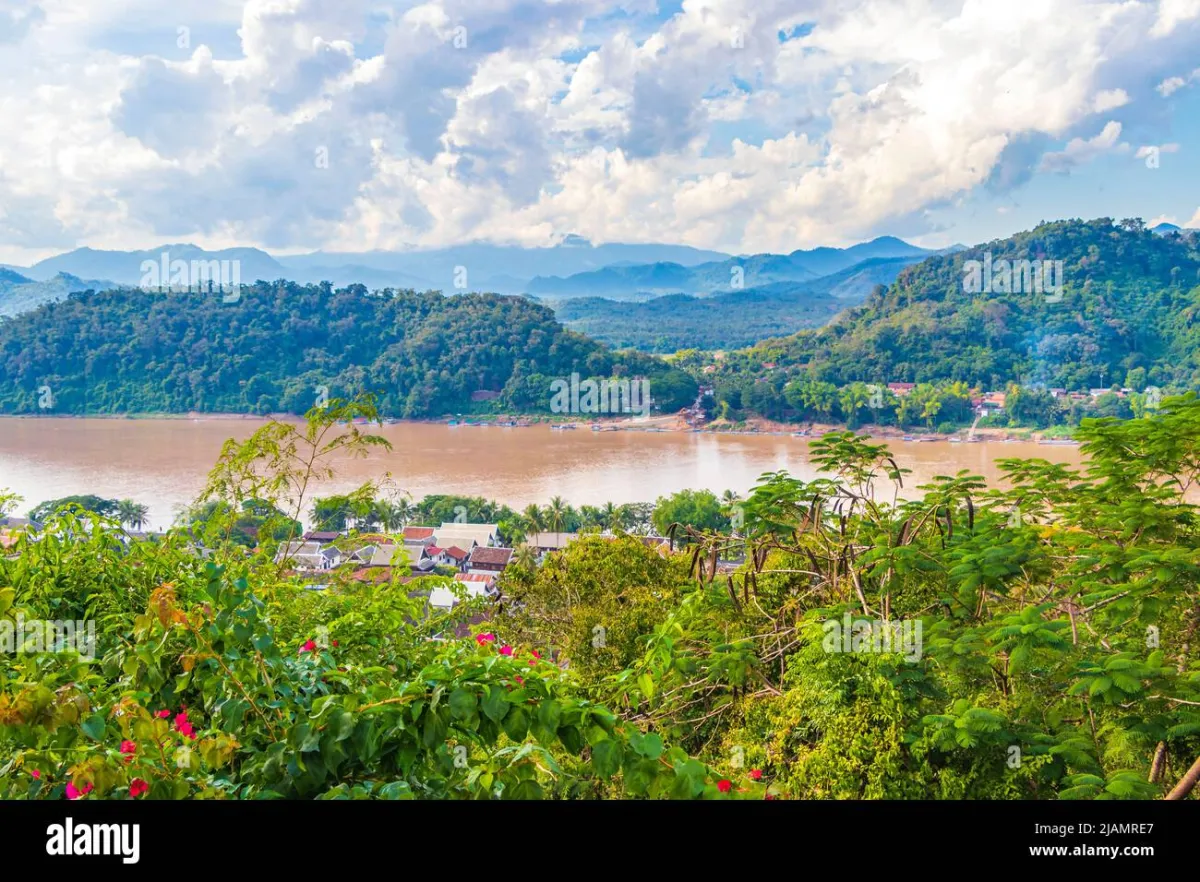 Photo: Mekong Delta, via c8.alamy.com
 Photo: War Remnants Museum, via img.freepik.com
Saigon rewards repetition. It rewards showing up at the same phở cart enough mornings that the owner starts putting your bowl together before you sit down. It rewards wandering without purpose through District 4 or Binh Thanh or the back streets of Cholon without a destination in mind. The city is dense with detail, and that detail only becomes visible when you stop moving fast enough to miss it.
What the City Actually Asks of You
After thirty days, the thing I kept coming back to was this: Saigon doesn't perform for visitors. It doesn't soften its edges or slow its pace to accommodate your adjustment period. It is fully, unapologetically itself — loud, layered, contradictory, hilarious, exhausting, and alive in ways that are difficult to articulate to people who haven't felt it.
What it asks in return is simple: show up without the script. Leave the war movies and the guidebook clichés at the airport. Arrive curious instead of informed. Let the city be stranger and funnier and more sophisticated than you expected.
It will be. I promise it will be.