Crates Full of Memory: The Last Record Shops of Cho Lon
The Shop You'd Walk Past
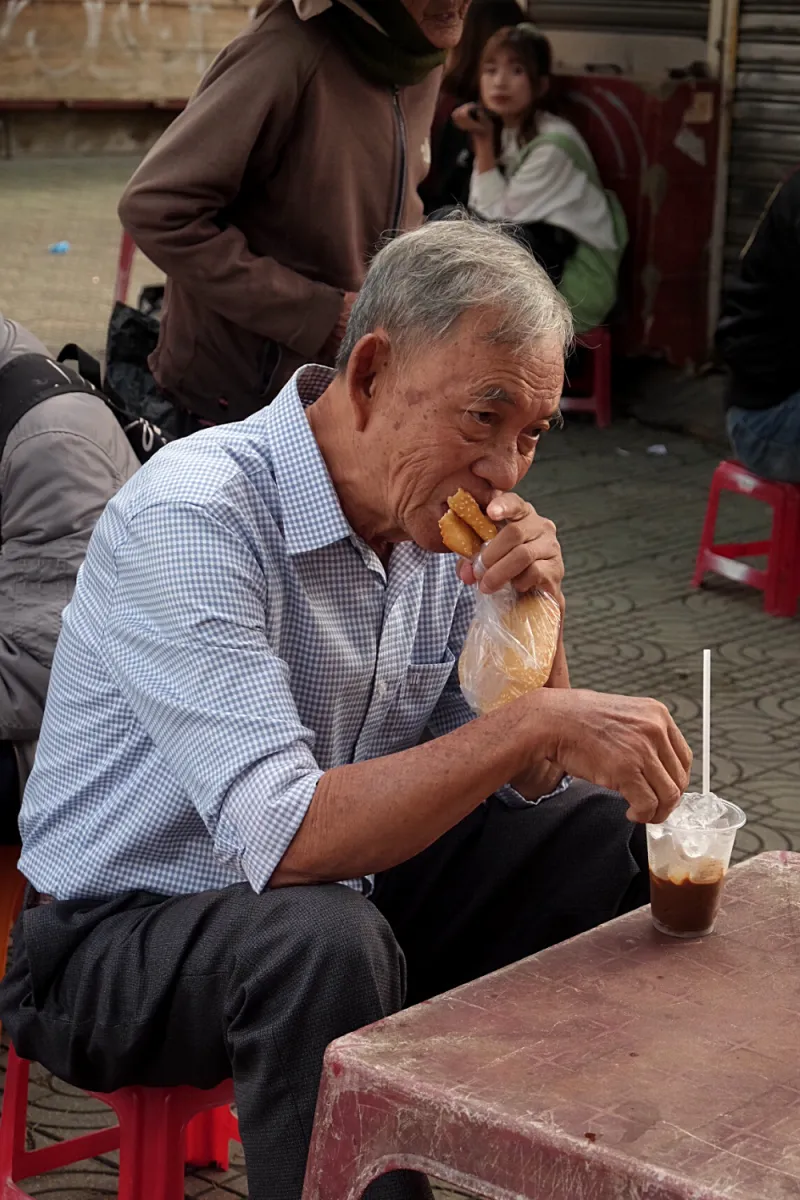
There's no sign worth photographing. No neon. Just a weathered wooden door on a Cho Lon side street, propped open by a stack of milk crates, and the smell of old paper and cigarette smoke drifting onto the sidewalk. Inside, a ceiling fan turns at the speed of a man who has nowhere to be, and Mr. Hien — seventy-something, reading glasses pushed up on his forehead — is halfway through explaining why a 1968 pressings of a Trịnh Công Sơn ballad is worth more than anything you'll stream in your lifetime.
"The app has the song," he says, tapping a phone with a cracked screen. "The app does not have the year."
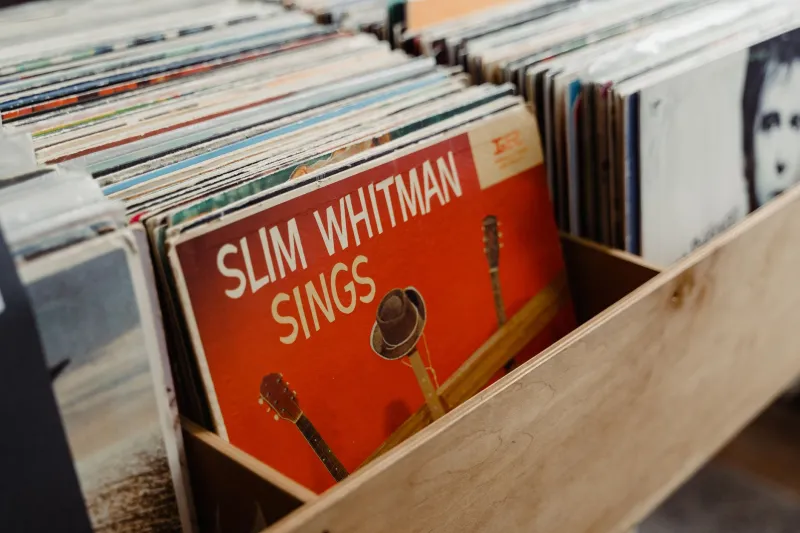
That distinction is the whole business model, if you can call it that, of the handful of music shops still holding on in District 5 and the surrounding Chinatown streets. Streaming killed the market for recorded music everywhere on Earth. But it couldn't kill the object — the sleeve with the original cover art, the label stamped by a Saigon pressing plant that hasn't existed in fifty years, the handwritten inventory on the inside flap.
What's Actually in the Crates
Expect three broad categories, and know the difference before you start flipping.
Pre-1975 pressings are the grail items. Saigon in the 1950s and '60s had a thriving pop industry — dance halls, radio stations, record labels pressing Vietnamese renditions of French chansons and American ballads alongside homegrown love songs. Much of this music was later restricted, which makes the physical copies doubly precious. Collectors from France, Australia, and the US quietly fly in for this stuff.
Wartime-era cassettes are messier, cheaper, and somehow more moving. Bootlegged ballads recorded off the radio, reels labeled in ballpoint pen, tapes that were smuggled in suitcases and played in secret. The fidelity is terrible. That's the point.
Post-war and reissue material fills the rest — the folk revival recordings, the 1980s state-label pressings, the odd novelty disc. Great souvenirs, lower stakes, friendlier prices.
The People Doing the Preserving
What struck us most wasn't the inventory. It was the caretakers. Mr. Hien keeps a notebook — actual paper — logging every record that passes through his hands, including who bought it and where they said they were from. Down the street, a woman in her sixties runs a cassette stall out of her family's front room, refusing to digitize her collection because, as she put it, "the tape is the memory. A file is a copy of a copy."
A younger generation is arriving too. A handful of Saigon-born DJs and producers in their twenties and thirties have started hunting these shops for samples and lost classics, quietly bridging the gap between the grandparent generation's music and the clubs of Bui Vien. They don't advertise it. But ask the right question and a shop owner will light up describing the young man who bought twelve war-era ballads last month "for the drums."
How to Dig Like You Belong There
If you're flying in from the States and want to try your hand at crate-digging, a few ground rules will earn you goodwill fast.
- Go early, go slow. These shops open with the morning, and the owners genuinely enjoy company. Rushing through signals you're collecting photos, not records.
- Ask before photographing. Obvious everywhere, doubly so in a shop where half the stock may be technically gray-area.
- Learn three names. Knowing even a couple of canonical Vietnamese songwriters transforms you from tourist to customer.
- Bring cash in small bills. Negotiation is expected, but haggle gently — these aren't souvenir sellers, they're custodians with rent to pay.
- Ask about the story, not the price. Every record here has one. The story is often free; the record rarely is.
Why It Matters Before It's Gone
Here's the uncomfortable math: the shop owners are in their seventies. Their children, understandably, have other careers. When these doors close — and several have closed in the past decade — an entire archive of everyday Vietnamese life goes into landfills or, at best, private vaults.
So buy the record. Play it back in your hotel room with the window open to the motorbike hum of District 5. Somewhere between the crackle of the vinyl and the horns outside, you'll hear what the streaming app can't sell you: a city remembering itself out loud.