Midnight Hunger: The Secret Night Markets Where Saigon's Real Food Scene Comes Alive
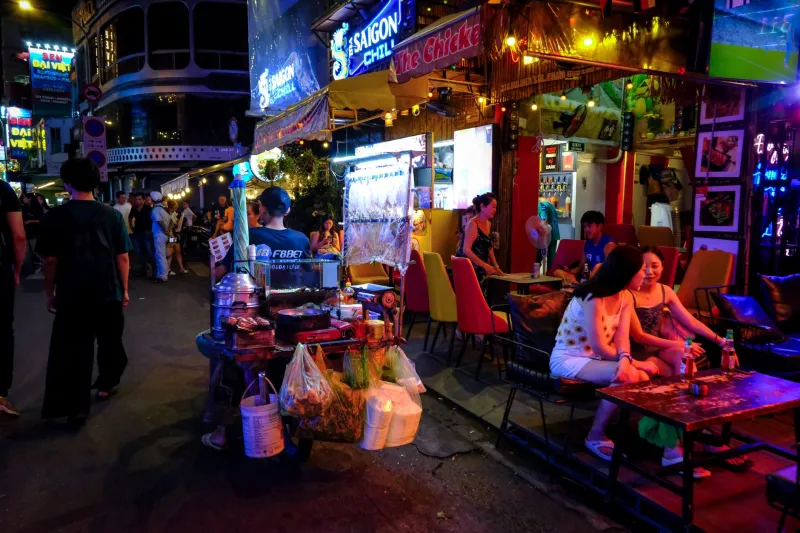
Saigon doesn't really sleep. It shifts. Around eleven at night, as the rooftop bars start cycling through their last rounds and the tour groups head back to their hotels, a different city begins its workday. Motorbike delivery drivers, hospital staff, market porters, night construction workers, and a rotating cast of insomniacs and hustlers all need to eat. And Saigon, being Saigon, has been feeding them for decades — just not in any place that shows up in a travel magazine.
These are the night markets and after-dark stalls that locals actually use. No ambient lighting, no QR code menus, no fusion anything. Just food that works, served fast, by people who have been doing this long enough that they could cook it in total darkness.
Why After Midnight Is the Honest Hour
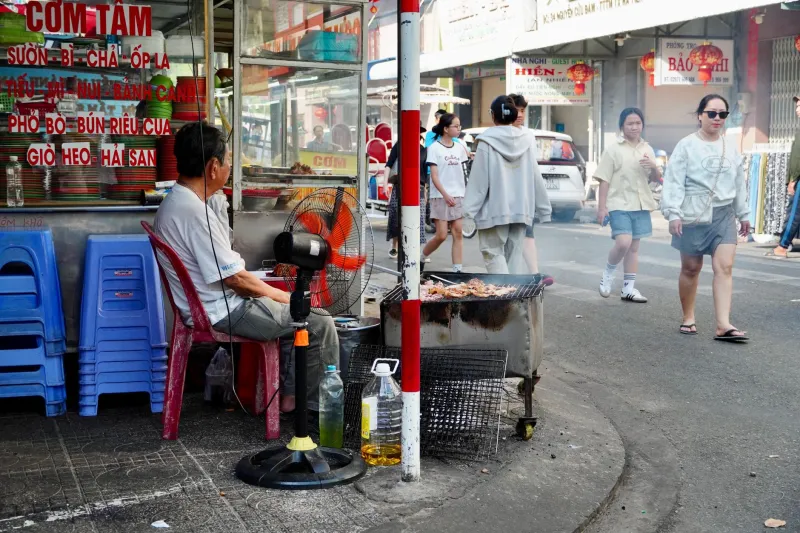
The economics of Saigon's street food scene are more complicated than they look from the outside. The vendors who set up during peak tourist hours — the golden window between five and nine p.m. — operate with a certain awareness of their audience. Portions are calibrated. Prices flex. The experience has been, even unconsciously, slightly performed.
After midnight, that performance ends. The customers are locals with specific hunger and limited patience. They're not there for the atmosphere. They want the food to be right, they want it fast, and they'll come back tomorrow if it was. This creates a ruthless quality-control loop that no Yelp review system could replicate. A stall that isn't good doesn't survive the night shift.
What this means for adventurous visitors is simple: if you can stay awake and navigate to these spots, you're eating food that has passed the hardest possible test. The city's own working population has already voted with their wallets, every night, for years.
The Anatomy of a Midnight Market
Saigon's late-night food spots don't announce themselves with signage. You find them by following foot traffic, by asking a motorbike driver where he eats after his last fare, by noticing where the lights are still on in a neighborhood that should be dark.
In the areas surrounding Bình Thạnh and parts of District 4, informal clusters of vendors appear on certain sidewalks after eleven. Plastic stools materialize from somewhere. A woman sets up a portable gas burner and begins producing bún bò Huế — the spicy, lemongrass-heavy beef noodle soup from central Vietnam — with a speed and efficiency that suggests she has made this exact dish approximately forty thousand times. She probably has.
Nearby, someone else is working a bánh mì cart that operates exclusively between midnight and three a.m., which means the bread is always fresh because the baker's schedule is built around this exact window. The pâté is house-made. The pickled daikon is sharper than anything you'll get at a daytime stall. Everything about it is better for reasons that are entirely practical.
The Chợ Đầu Mối Effect
The real engine of Saigon's midnight food culture is the wholesale produce markets — the chợ đầu mối — that operate through the night to supply the city's restaurants and street vendors by morning. The three major ones serving Ho Chi Minh City process hundreds of tons of goods between midnight and dawn, and they generate their own food ecosystem.
The workers who unload trucks, sort produce, and negotiate bulk sales need to eat, and they eat well. Stalls positioned around the edges of these markets serve food calibrated for people doing hard physical work: rich, fatty, high-calorie, deeply savory. Cháo lòng — offal porridge — is a staple. So is hủ tiếu, the southern Vietnamese noodle soup that is lighter than phở but more complex than it gets credit for. At four in the morning, surrounded by men in rubber boots carrying crates of dragon fruit, a bowl of hủ tiếu tastes like the most honest thing in the world.
For Americans who grew up associating late-night food with drive-throughs and pizza delivery, this is a genuine recalibration. The idea that the best version of a dish might only be available at three a.m., served by someone who has been awake since yesterday afternoon, requires a small mental adjustment. Make it.
The Women Who Run the Night
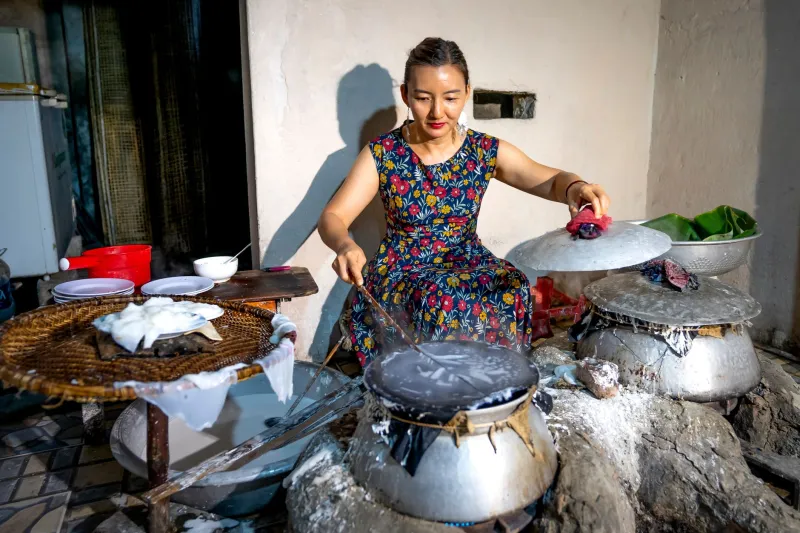
One pattern that becomes obvious quickly: Saigon's after-dark food economy is largely run by women. The vendor working the midnight bún bò cart, the woman managing a stall that serves exclusively to hospital workers on break, the grandmother who parks her cart outside a warehouse district and feeds the overnight security staff — this is predominantly female labor, and it has been for generations.
These women are not operating informal businesses so much as they are running highly specialized, deeply local institutions. Many of them inherited their spots and their recipes from mothers and aunts. The knowledge of where to set up, when to arrive, which customers to extend credit to, and how to adjust the broth when the weather turns cool — all of it passes through family lines, mostly through women.
This is the part of Saigon's food culture that gets the least documentation and deserves the most respect. These aren't romantic street food characters posing for travel photography. They're skilled operators running economically precarious businesses with remarkable precision, feeding the city's invisible workforce night after night.
How to Actually Find These Places
No app is going to route you here. The most reliable method is also the most direct: ask someone who works nights. Hotel staff who work the overnight shift, motorbike drivers, hospital employees — any of them can point you toward the spots they actually use. Be specific. Don't ask for street food recommendations in general. Ask where they eat at two in the morning.
Dress practically. Bring cash in small denominations. Don't take photos of the vendors without asking. Sit down, order what the person next to you is having, and eat it while it's hot. If you don't speak Vietnamese, pointing and nodding works fine — these vendors have been serving non-verbal customers for decades.
The food will be good. Probably better than good. But the more lasting thing you'll take away is a sense of the city's actual metabolism — the way Saigon sustains itself through the hours when the rest of the world assumes it's sleeping.
It isn't. It's just eating.