Same Recipe, Different Century: The Saigon Restaurants That Refused to Die
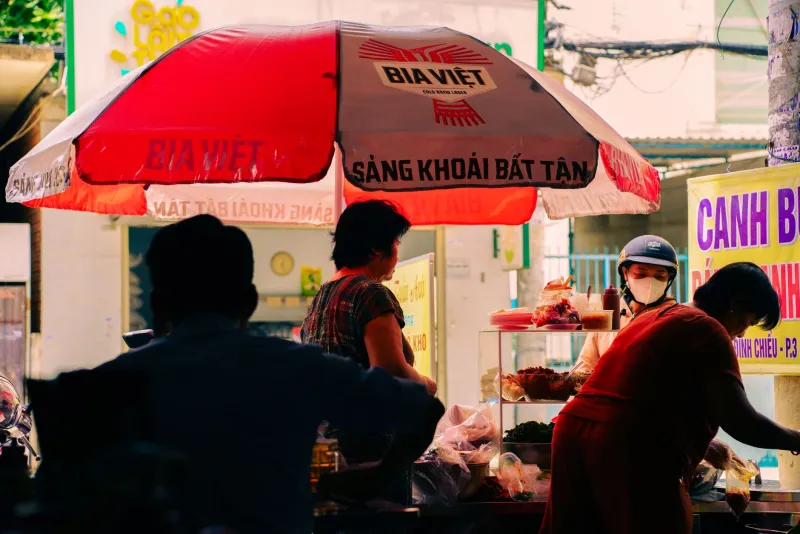
There's a bowl of bún bò Huế in District 3 that has been served, in more or less the same form, since the Eisenhower administration. The woman ladling it out today is the granddaughter of the woman who started the stall. The broth recipe — lemongrass-heavy, deeply spiced, rust-colored from shrimp paste — has never been written down. It lives in muscle memory, passed hand to hand like a family heirloom that happens to smell incredible.
This is the thing about Saigon's oldest restaurants that guidebooks tend to miss: they're not just charming relics. They are living archives. Every bowl they serve carries sediment from every era the city has survived. And if you know what to look for, eating at one of these places is one of the most layered history lessons you can get in this city — no museum ticket required.
What It Actually Takes to Stay Open for a Century
Let's be honest about what these families lived through. A restaurant that opened in the 1920s under French colonial rule had to navigate a system designed to extract maximum value from Vietnamese labor while keeping Vietnamese enterprise small and subordinate. The ones that survived that era did so through a combination of serving colonial administrators (and learning to read the room) and building deep roots in their own communities.
Then came the war years — plural, because Saigon's war years stretch across decades. Japanese occupation during World War II. The First Indochina War. The long, grinding catastrophe of the American conflict. Feeding people through all of that required not just culinary skill but a kind of operational genius. Supply chains collapsed. Ingredients disappeared. Entire neighborhoods were upended overnight. The families who kept cooking found ways to substitute, to improvise, to stretch a broth further than it had any business going — and then, when things stabilized, to return to the original.
Reunification in 1975 brought its own specific chaos. Private enterprise was nationalized or suppressed. Many family-owned restaurants were forced to close, absorbed into state collectives, or pushed underground. Some owners fled. Others stayed and quietly kept going, operating in legal gray zones or simply outlasting the policy shifts until the Đổi Mới economic reforms of 1986 cracked the door back open for private business.
The ones still standing today survived all of it. That's not a small thing.
Phở Bắc Hải: Four Generations of Northern Broth in a Southern City
One of the most remarkable examples sits on a narrow lane in Bình Thạnh, easy to miss if you don't know to look. The family patriarch — now in his late eighties and mostly retired to a plastic chair in the corner — came south from Hanoi in the mid-1950s, part of the massive population movement that followed the Geneva Accords. He brought his mother's phở recipe with him.
What's striking about the broth here is its restraint. Northern-style phở is cleaner, less sweet than the southern variations Saigon eventually developed, and this kitchen has never drifted toward the local palate. The family is proud of that. "We are not from here originally," the current owner — the patriarch's granddaughter — explains through a translator. "But we have been here longer than most people who call themselves Saigonese."
During the years after reunification, the family operated semi-legally, selling bowls to neighbors from the front room of their house. They kept the portions small, the prices quiet, and the sign off the wall. When private restaurants were permitted again, they simply put the sign back up.
Bánh Mì Bảy Hổ: The Sandwich That Outlived the Empire That Invented It
The French baguette arrived in Vietnam as a colonial imposition and left as something entirely Vietnamese. Nowhere is that transformation more visible than at a handful of bánh mì stalls that have been running since the late colonial period — places where the bread is still made the old way, with a crust that shatters rather than bends and an interior that's airy rather than doughy.
One such spot, operating out of the same District 1 location since the 1940s, has served through French withdrawal, American escalation, and the arrival of Yelp reviews. The current owner's grandmother reportedly sold sandwiches to French soldiers, then to American advisors, then to Vietnamese Army officers, then to reunification-era cadres — each group eating the same sandwich, none of them aware they were part of the same unbroken story.
The filling has evolved slightly — the liver pâté is richer now, the pickled daikon more prominent — but the bread formula hasn't changed. The owner guards it the way some families guard financial documents. When a food journalist from a major American outlet asked for the recipe a few years ago, she was politely shown the door.
The Instagram Problem (And Why These Places Are Mostly Immune)
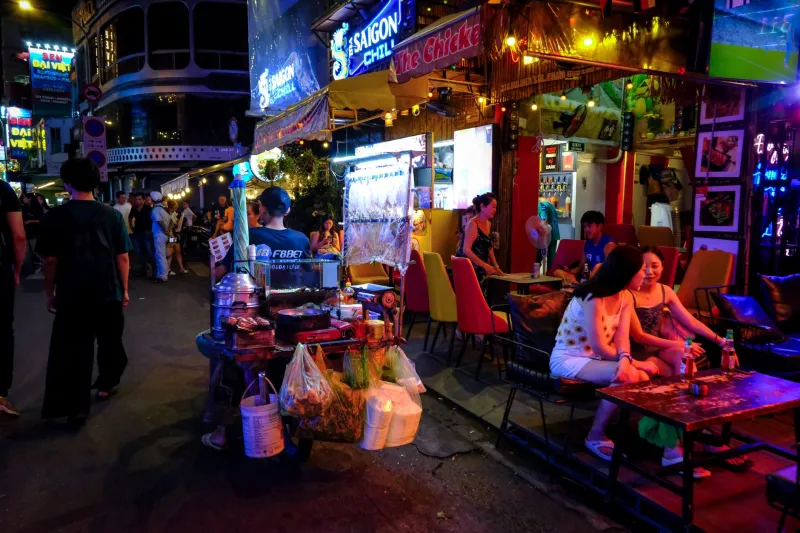
Saigon's food scene has exploded in the past decade in ways that have been both exciting and genuinely destabilizing. New restaurants open every week, many of them designed primarily to be photographed. Rents in the central districts have spiked as landlords realize that a single viral TikTok can turn a forgotten alley into a tourist pipeline. Plenty of older establishments have been priced out, pushed to the margins, or simply closed when the founding generation aged out and the kids chose different careers.
The oldest survivors have navigated this pressure in a few different ways. Some have leaned into the attention — accepting the food tourists, the influencer visits, the glossy magazine profiles — while quietly refusing to change anything substantive about the food itself. Others have deliberately stayed invisible, keeping odd hours and minimal signage, relying on regulars who've been coming for thirty years.
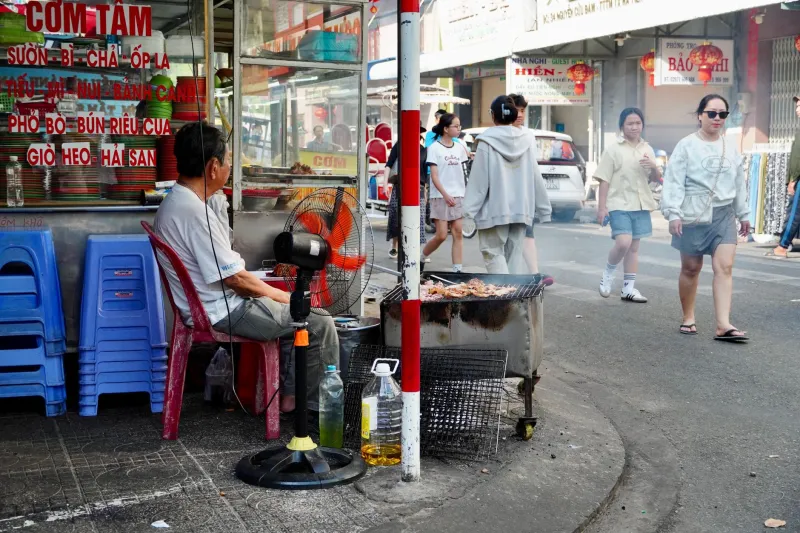
What almost none of them have done is renovate. Walk into any of these places and you'll notice the same thing: plastic stools, fluorescent lighting, walls that haven't been repainted since approximately the Clinton administration. This is not negligence. It is, in its own way, a form of resistance. The atmosphere is the atmosphere. The food is the food. You are here to eat, not to curate.
Why You Should Eat at One Before You Do Anything Else
Every travel article about Saigon will eventually point you toward the War Remnants Museum, the Reunification Palace, the Cu Chi Tunnels. Those are all worth your time. But there's a different kind of history available at a bowl of soup that has been made by the same family for seventy years — one that's more intimate, more sensory, and in some ways more honest.
The museums tell you what happened. These restaurants show you what endured.
When you sit down at one of these places — on a stool that's probably too small, at a table that's definitely too low, with a menu that may or may not exist in English — you are sitting inside a story that kept going when everything around it was trying to stop it. The broth in front of you was made this morning by someone whose grandmother made the same broth during a war. That is not nothing.
Order something. Eat slowly. Tip well. And understand that the meal you're having is the latest chapter in a very long book.