Still Standing: 10 Places in Saigon Where the Past Refuses to Let Go
Some cities wear their history like a museum exhibit — polished, roped off, and safely behind glass. Saigon is not that city. Here, the past doesn't stay put. It seeps through the walls of colonial-era hotels, echoes in the corridors of presidential palaces, and lingers in the whispered stories that locals still tell about certain streets after dark. For American travelers who mostly know Vietnam from movies and textbooks, walking these landmarks is a genuinely disorienting experience — in the best possible way. You're not just looking at history. You're standing inside it.
Here are 10 of the most historically charged spots in Ho Chi Minh City, and why each one deserves more than a quick photo stop.
1. Reunification Palace — The Room Where a War Ended
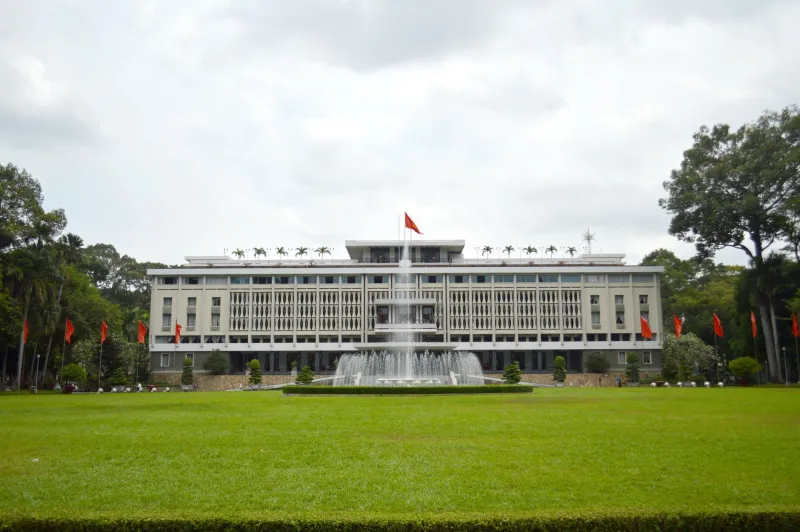
On April 30, 1975, a North Vietnamese tank crashed through the iron gates of what was then the Presidential Palace, and the Vietnam War — at least for Americans — was over. That tank is still parked on the lawn. The palace itself has been preserved almost exactly as it looked that morning: the war rooms in the basement, the rooftop helipad, the retro-futurist presidential suites designed by architect Ngô Viết Thụ in 1966.
 Photo: Reunification Palace, via d3d0lqu00lnqvz.cloudfront.net
For a US audience, this place hits differently than any war museum. You're standing in the room where the other side won. That's a perspective most Americans never get, and it's worth sitting with.
Visiting tip: Get there right when it opens at 7:30 a.m. The crowds thin out and the building's eerie stillness is much easier to absorb. Audio guides are available in English and worth the extra dollar.
2. The War Remnants Museum — Hard Truths in a Yellow Building
No list like this can skip it, even though it's uncomfortable. Especially because it's uncomfortable. The War Remnants Museum presents the American War — that's what it's called here — entirely from the Vietnamese civilian perspective, and the photography collection on the third floor is some of the most devastating documentary work you'll ever see in your life.
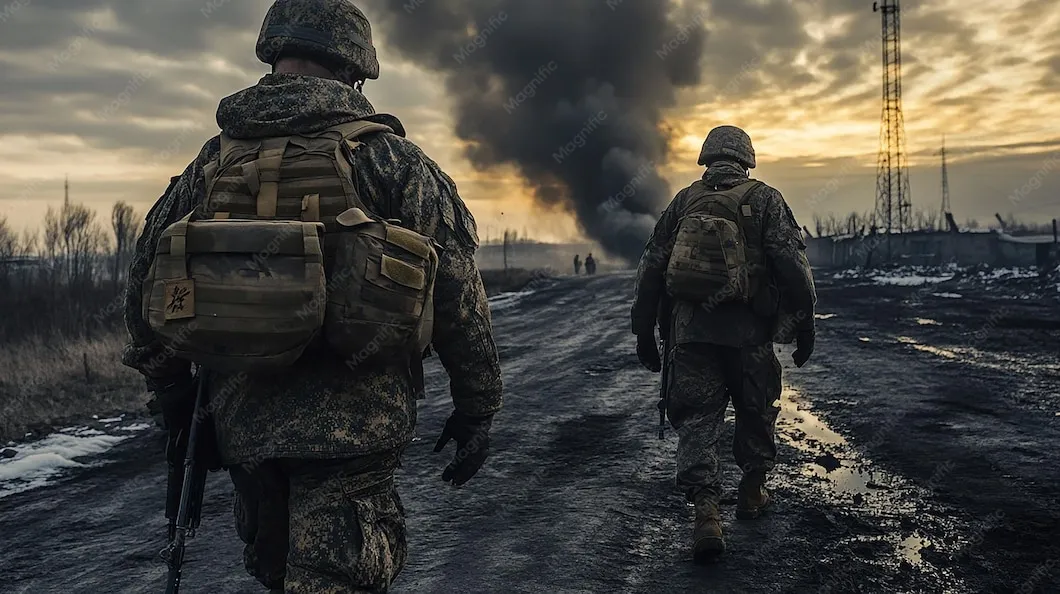 Photo: War Remnants Museum, via img.freepik.com
This isn't a place that coddles visitors. But it is a place that demands honesty, and coming here as an American traveler is an act of respect that most locals will quietly notice.
Why it matters: Understanding this war from the other side isn't just travel enrichment — it's a civic education that most US schools never quite delivered.
3. The Caravelle Hotel Rooftop — Where Journalists Watched the City Burn
The Caravelle opened in 1959 and immediately became the nerve center of wartime Saigon's press corps. ABC, CBS, NBC — all of them had offices here. Correspondents would file their dispatches, then head up to the rooftop bar to watch artillery fire light up the horizon like a distant thunderstorm.
The rooftop bar, now called Saigon Saigon, still operates. Order a gin and tonic, look out over the city, and try to imagine what those reporters were seeing — and feeling — in the years before 1975.
Visiting tip: Sunset is the obvious time to go, but late night has its own strange atmosphere. The city hum below feels both ancient and electric.
4. Notre-Dame Cathedral Basilica of Saigon — A French Empire in Stone
Built between 1863 and 1880 using materials shipped entirely from France — the bricks came from Toulouse — the cathedral is one of the most tangible reminders that this city spent nearly a century under colonial rule. The red-brick façade dominates the center of District 1 with a kind of architectural arrogance that was absolutely intentional.
The building is currently under renovation, so you may not be able to go inside, but the exterior and the square around it are worth the visit. Look at it long enough and you start to understand why Vietnamese independence fighters viewed French architecture as a form of psychological occupation.
5. The Central Post Office — A Love Letter to Colonial Infrastructure
Right next door to the cathedral sits the Central Post Office, designed by Gustave Eiffel's firm in the 1880s. Yes, that Eiffel. The vaulted iron ceiling, the mosaic tile floors, the enormous historical maps painted on the interior walls — it's simultaneously gorgeous and a little unsettling when you remember who built it and why.
People still come here to mail actual letters. It functions. That alone makes it one of the most quietly remarkable buildings in Southeast Asia.
6. Bến Thành Market — 100 Years of Commerce and Chaos
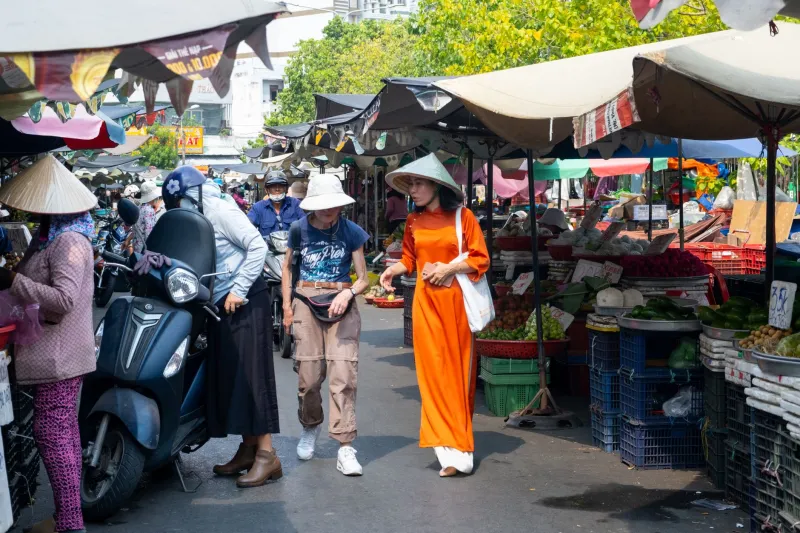
The current market building dates to 1914, but trading has happened on this site for centuries. The French formalized it; the Americans made it famous; reunification nearly killed it; and the free market brought it roaring back. Today it's equal parts tourist attraction and genuine neighborhood hub, and the surrounding streets at night turn into one of the city's most energetic outdoor food markets.
Ghost lore: Locals will tell you that the area around the old clock tower is haunted by the spirit of a French merchant who died during construction. Nobody seems too bothered by it.
7. The Rex Hotel Rooftop — Cocktails With the Pentagon
During the war, the Rex was home to US military officers and served as the site of the daily military briefings that journalists sardonically nicknamed the "Five O'Clock Follies" — press conferences so optimistic and disconnected from reality that they became a symbol of institutional dishonesty.
The rooftop bar still has the same sweeping views of District 1. Order something cold and think about the gap between the story being told up here and what was happening in the jungle.
8. Jade Emperor Pagoda — The Oldest Haunted House in the City
Built in 1909 by the Cantonese community, this Taoist temple is one of the most atmospheric spots in all of Saigon. The smoke from incense coils hangs permanently in the air. The statues are elaborate, strange, and occasionally terrifying. Turtles swim in the courtyard pond, released by worshippers seeking good karma.
This is a living, functioning religious site — not a tourist attraction — so move quietly and respectfully. But do move through it slowly. The carvings on the walls alone tell stories that would take hours to fully absorb.
9. Hỏa Lò Prison Annex (Saigon's Less Famous Jail)
Most Americans know Hỏa Lò from Hanoi — the "Hanoi Hilton" where John McCain was held. Fewer know that Saigon had its own network of detention facilities used by French colonial authorities and later by successive Vietnamese governments. The Chi Hoa Prison, still operational today, was built by the French in 1943 and has held everyone from revolutionary independence fighters to post-reunification political prisoners.
You can't tour Chi Hoa, but understanding it exists — and what it represents in the arc of Vietnamese history — changes how you read the rest of the city.
10. The Old US Embassy Site — An Absence That Says Everything
The original US Embassy building, from whose rooftop those iconic helicopter evacuation photos were taken in April 1975, was demolished in 1998. The new US Consulate General stands in a different location. But the original site on Lê Duẩn Boulevard still carries weight, even as a gap in the skyline.
Stand where the building was. Look up. The absence is its own kind of monument.
Walking Through Legend
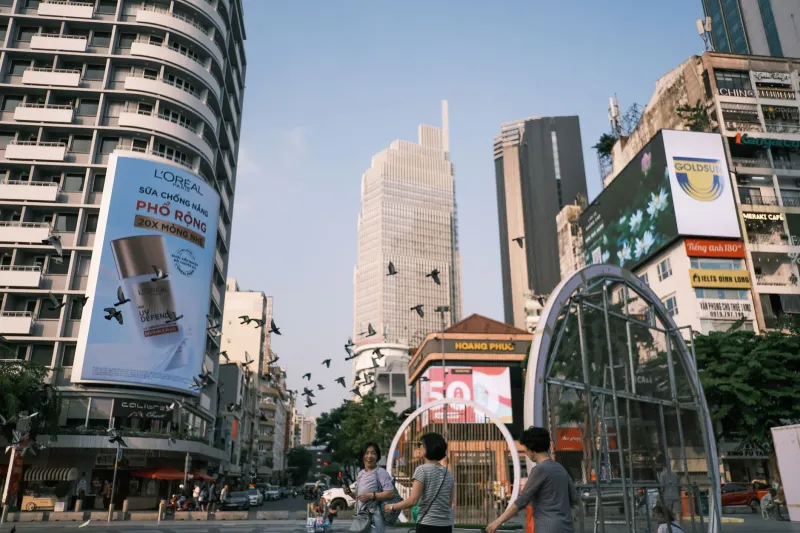
What makes Saigon different from any other historically significant city is the sheer density of the timeline. French colonialism, Japanese occupation, American military presence, Communist reunification, and now one of the fastest-growing economies in Asia — all of it compressed into a single city that never stopped moving long enough to fully process any of it.
That restless energy is exactly what makes walking these streets feel so alive. The ghosts here don't haunt quietly. They hustle.